Our Story
How did Muslim Women’s Wellness come to be?
Our founder, Kamela Salimi shares her story.
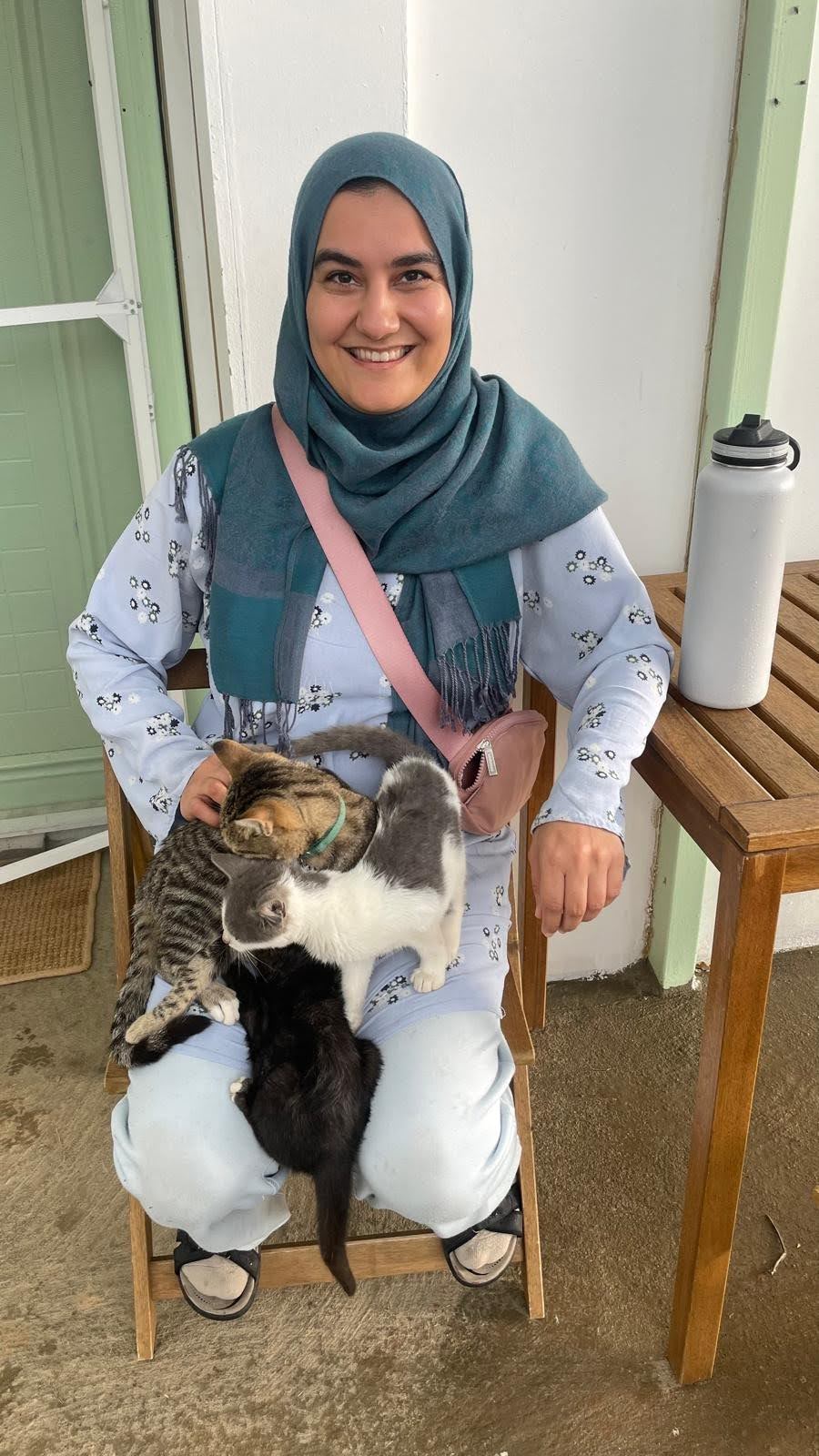
Being a Good Immigrant Daughter
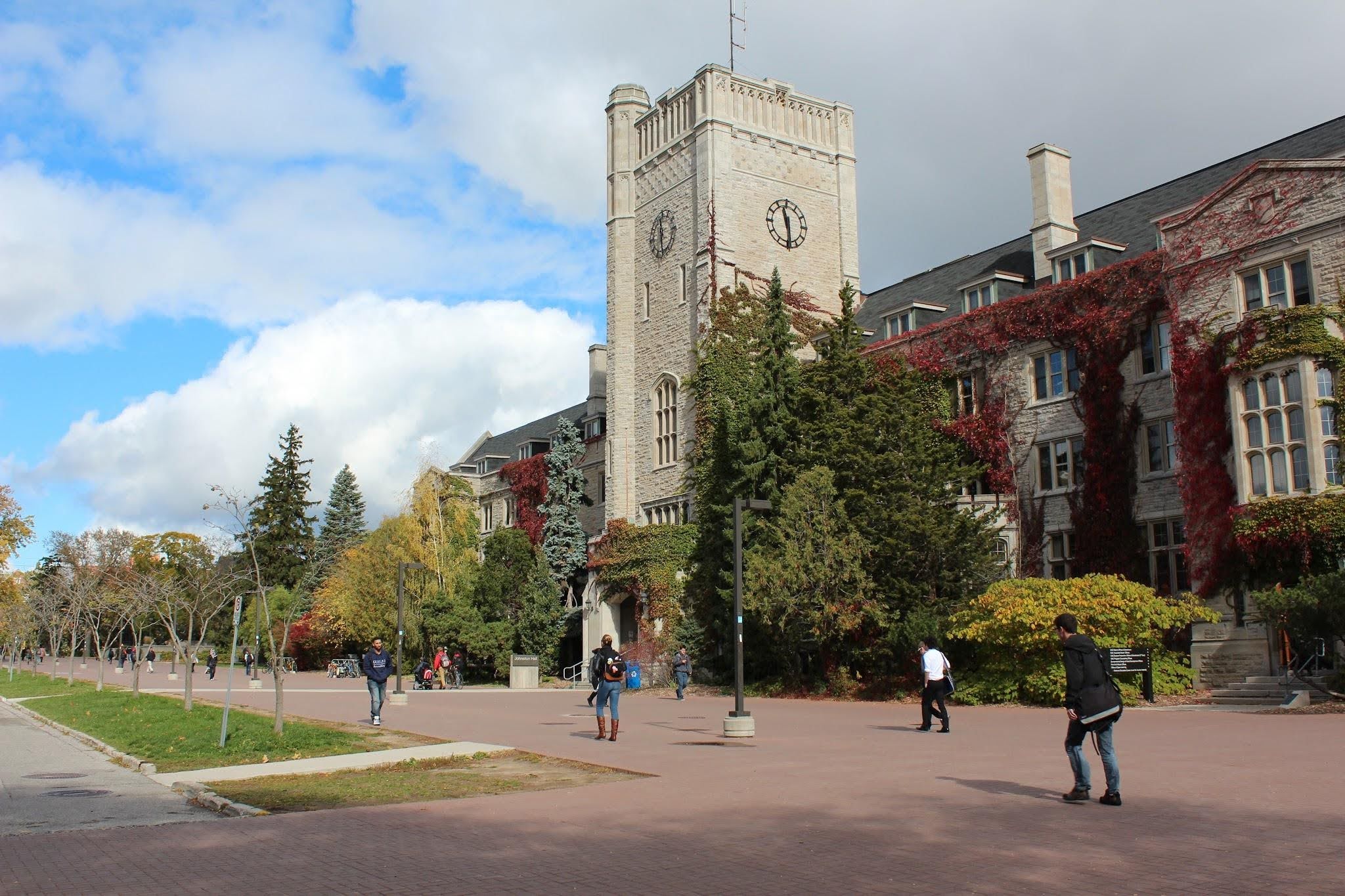
In 2011, I enrolled at the University of Guelph to pursue a Bachelor of Science in Biological Science. Though uncertain about my future path, I was confident that this degree would set me on the right track toward Medical school—and fulfill my immigrant parents’ dreams of their daughter becoming a doctor.
During my second year, I attended a weekend seminar on Marriage and Divorce in Islam with fellow members of the Muslim Students’ Association (MSA). There, the lecturer highlighted the mental health crisis in Muslim families and the harm caused by therapists unfamiliar with Islamic principles and Muslim family dynamics. This moment sparked what has since become a decade-long commitment to supporting Muslim mental health.
After volunteering at a crisis call center for over a year, I felt certain this was the path I wanted to pursue. I then switched my major to Adult Development—Families & Wellbeing, with a minor in Child Studies. Committing fully to this direction, I was accepted into the Master’s in Couple and Family Therapy program in 2015
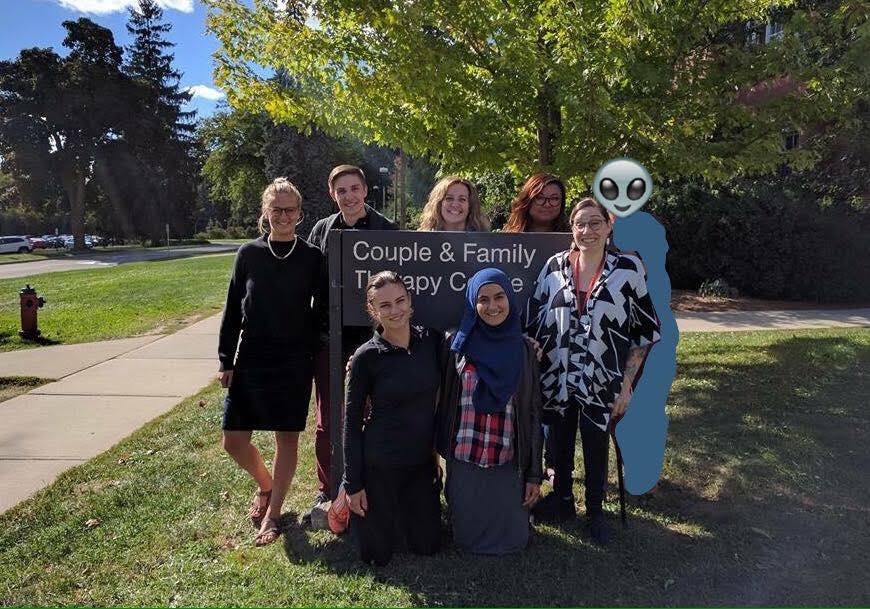
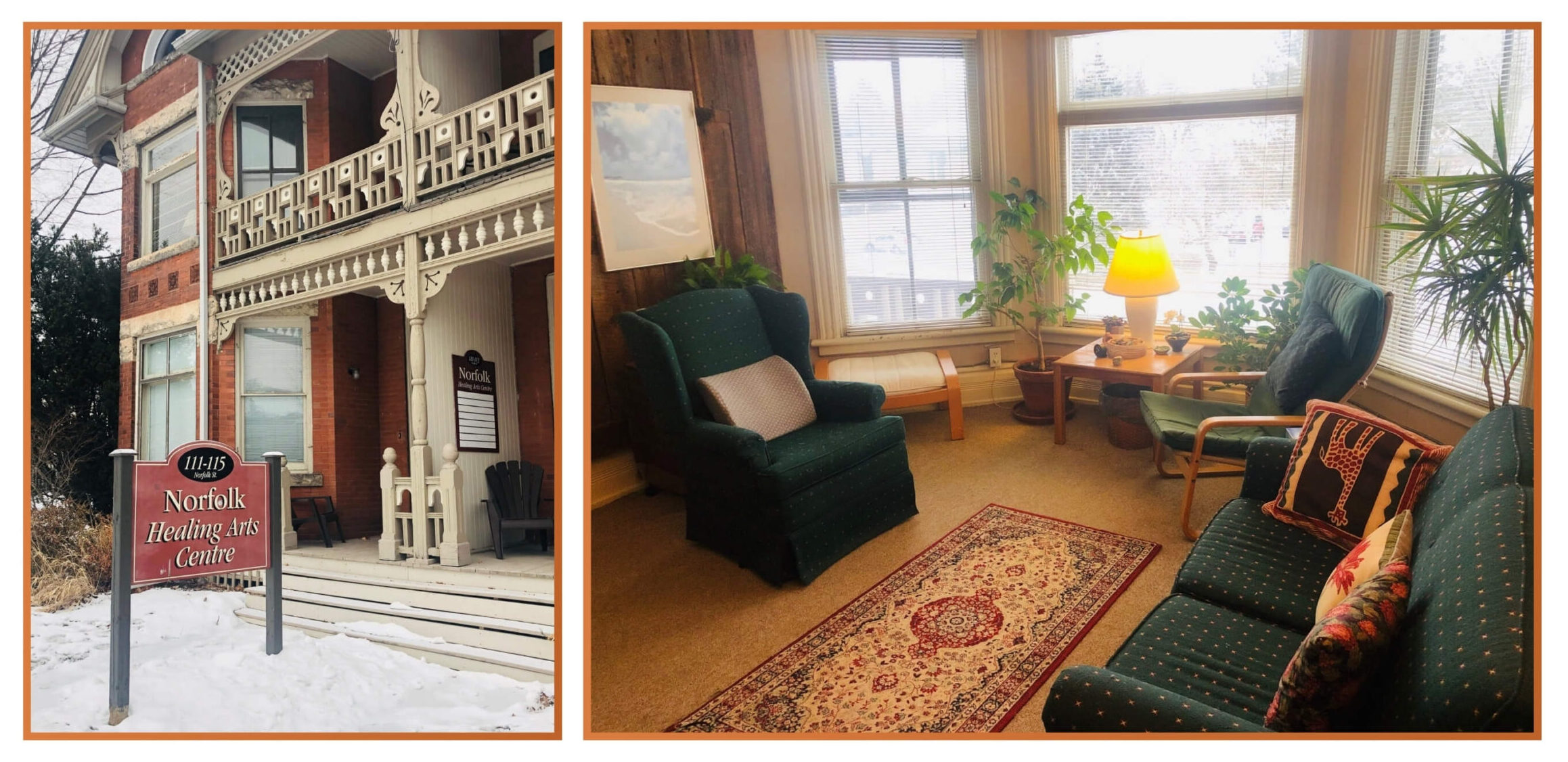
In 2017, I began working as a licensed therapist in a variety of private and public settings. In 2019, I launched my own private practice, Kamela Salimi Therapy, and began supporting Muslim clients. My goals had come to fruition!

But wait! The story doesn’t end there!
After working with countless Muslim clients, I soon realized that, despite being visibly Muslim, I had been trained as a “white therapist”. I lacked the skills and knowledge to address their faith-related questions or complex family dynamics. I found myself struggling to offer meaningful support beyond mere validation.
Cambridge Muslim College
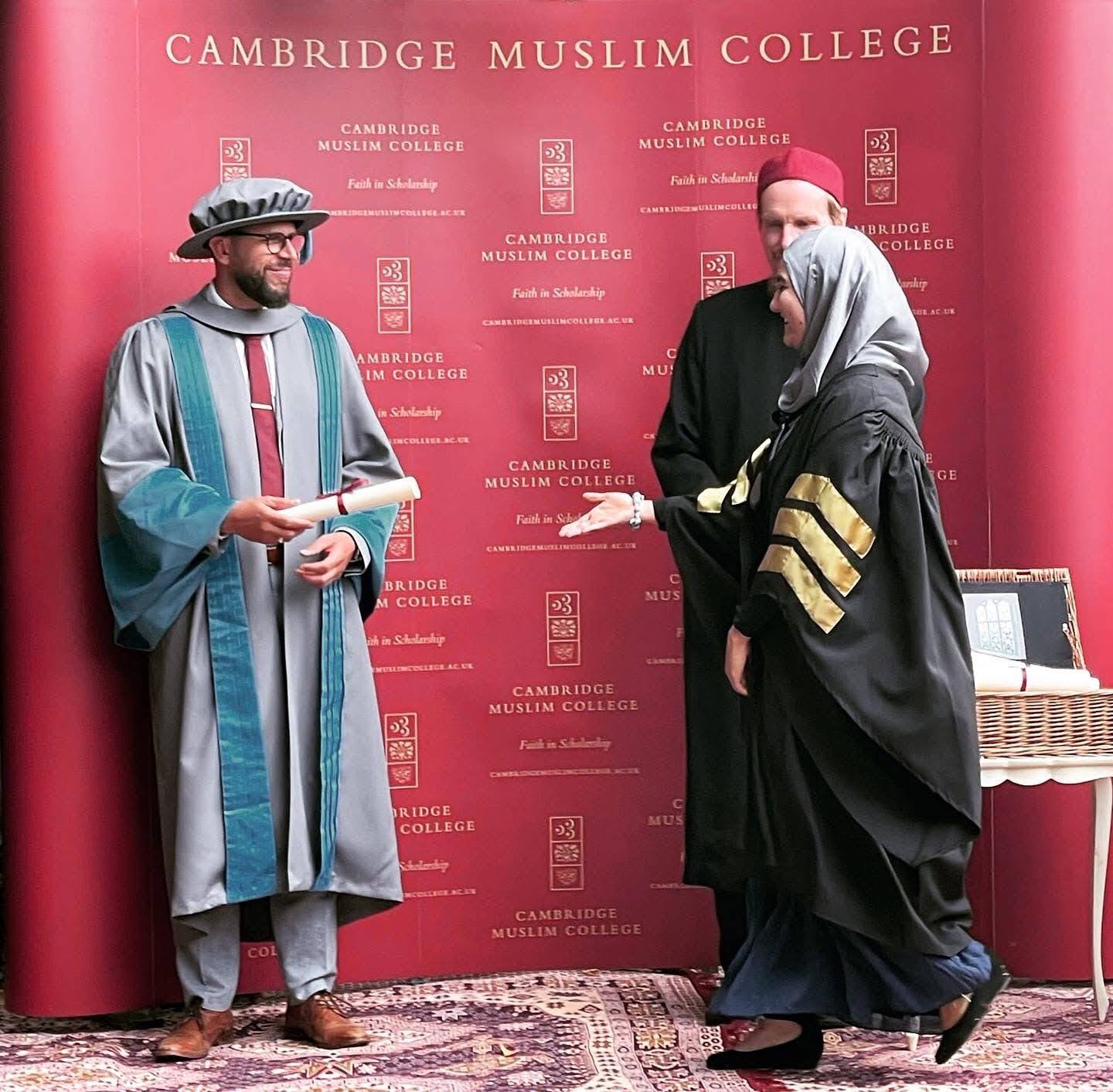
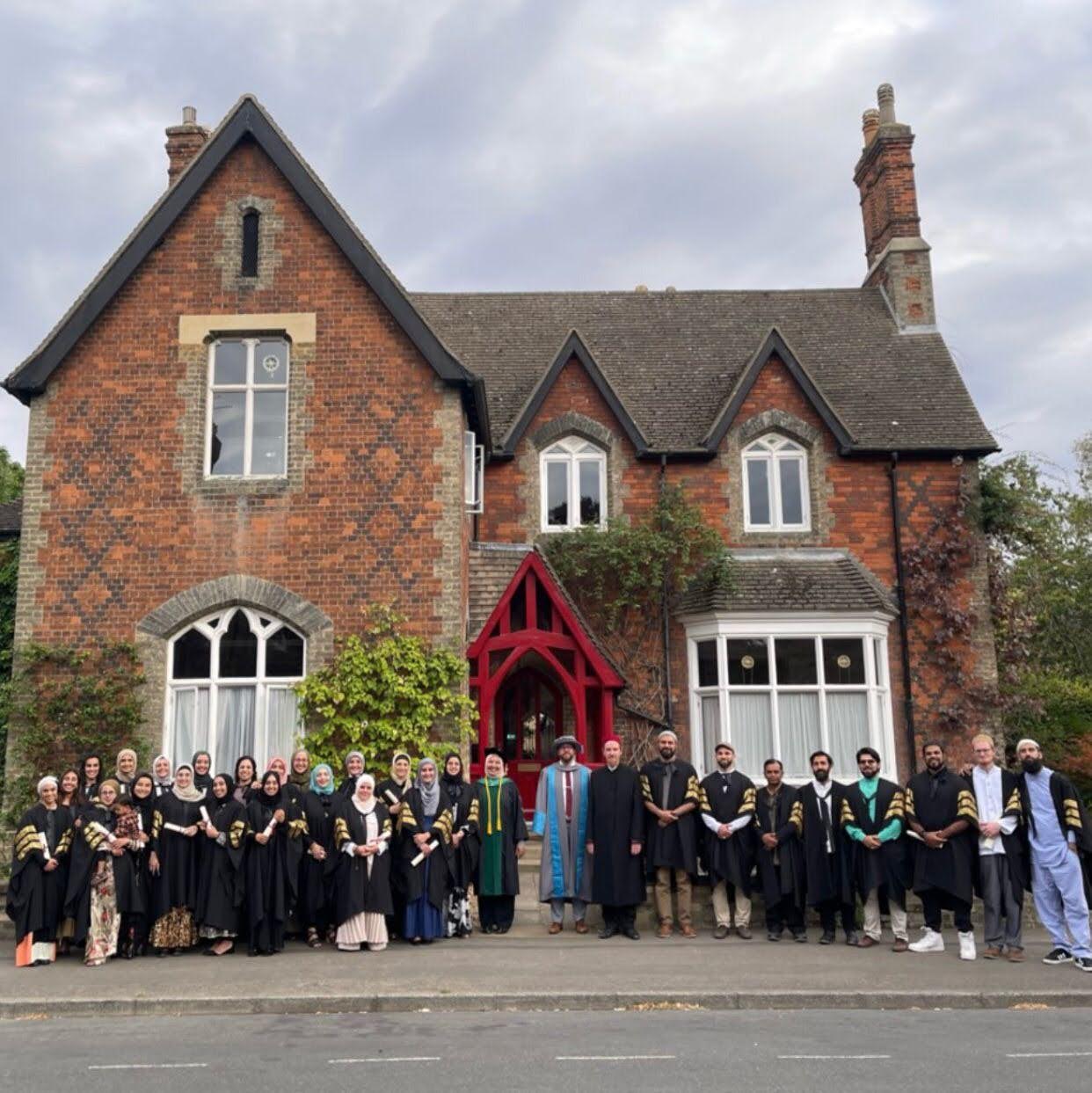
In 2021, I applied for and was accepted into the first cohort of the Post Graduate Diploma in Islamic Psychology at Cambridge Muslim College. This intensive nine-month program allowed me to begin understanding mental health through an Islamic lens and explore how faith can enrich the healing journey. Immediately after completing this program, I also finished Khalil Centre’s Level 1—Islamically Integrated Psychotherapy Program in Chicago. To this day, I continue to receive regular supervision to deepen my knowledge in Islamic Psychology.
The Birth of Muslim Women’s Wellness!

By 2024, I had supported hundreds of Muslim clients through Kamela Salimi Therapy. Demand grew so high that I had to start a waitlist. I realized the need for Muslim mental health support, especially for women, far exceeded what I could provide alone—and so the solution had to be bigger than me. My dream became to train and supervise other therapists in order to offer similar support so that we could reach more Muslim women.
By January 2025, I designed and launched Muslim Women’s Wellness.
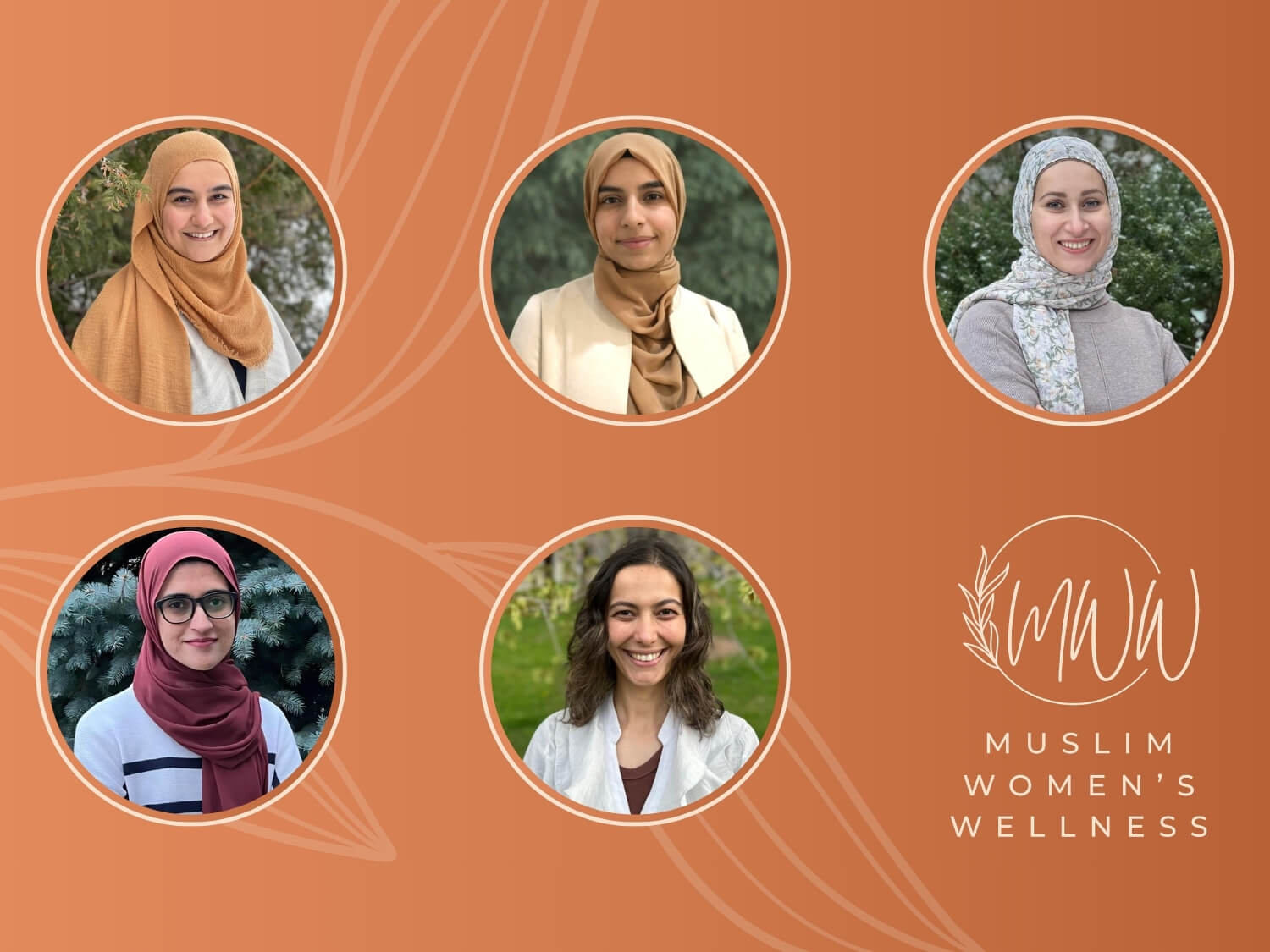
Our Growing Team:
Today, we are a team of five therapists and slowly growing. I have hand-selected each member of the team not just for the skills and knowledge they have, but for their hearts. Together, we continue to support countless Muslim women on their journey to wellbeing.
I strive for our organization to not just be Muslim in name, but also in our essence—in the values we uphold both in the way we show up for our clients and also in our personal lives.
“A therapist can only take a client as far as they have gone themselves in their own healing journey”